About the Student Wellness Department
The Wellness Team provides coordinated behavioral, attendance, social-emotional, and mental health supports. The department works collaboratively with students, families, teachers, administrators, and community partners to remove barriers to learning through prevention, intervention, restorative practices, and family partnership.
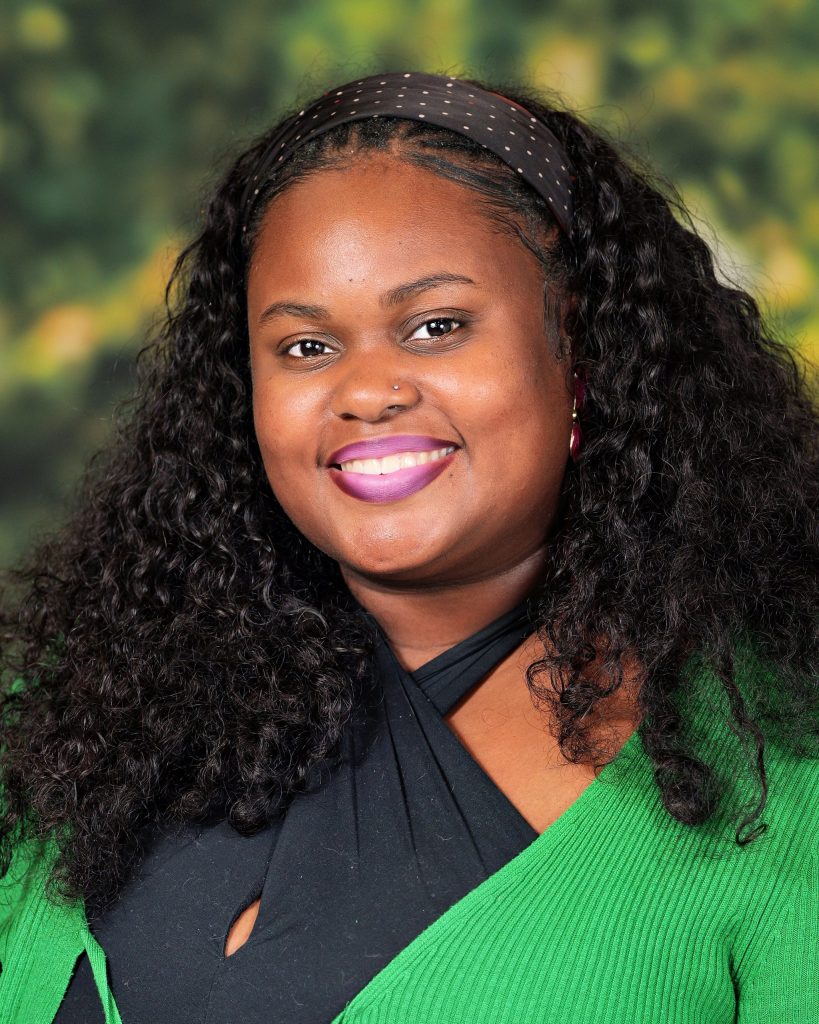
Ms. Kayla Reid
Restorative Justice Coordinator
Teams: Wellness Team, Leadership Team
How I Can Help
I coordinate restorative practices, student support services, behavior interventions, and school climate initiatives while partnering with families and staff to promote positive relationships, repair harm, and support students’ social-emotional growth.
Email: Kayla.Reid@k12.dc.gov
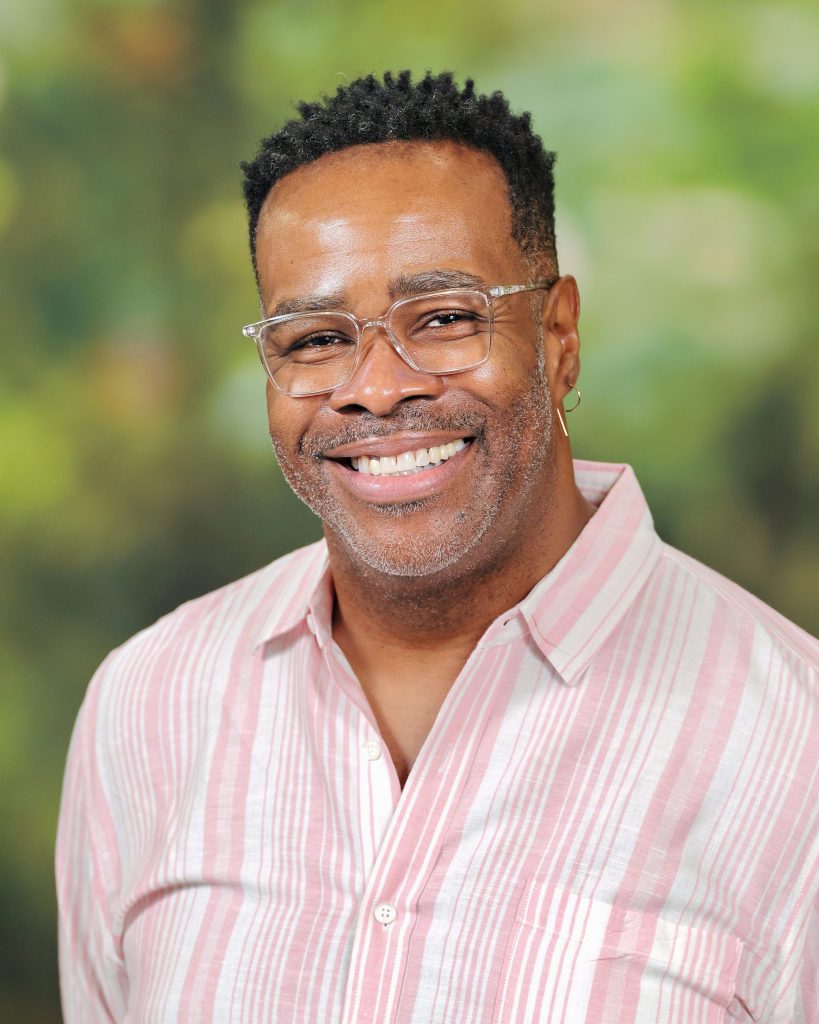
Mr. Kevin Stafford
School Social Worker
Teams: Wellness Team, Special Education Team
How I Can Help
I provide counseling, crisis response, attendance support, family outreach, and connections to community resources to help students overcome barriers to learning.
Email: Kevin.Stafford@k12.dc.gov
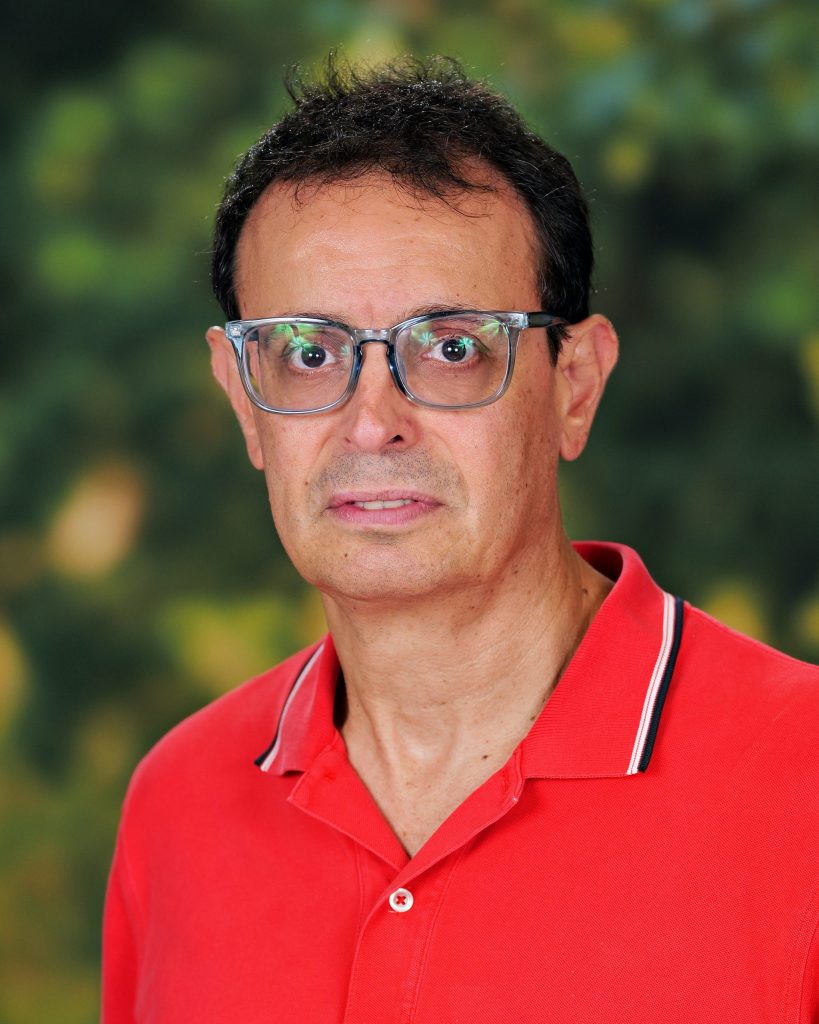
Dr. Oran Gan
Department of Behavioral Health Clinician
Team: Wellness Team
How I Can Help
I provide school-based mental health counseling, therapeutic services, crisis intervention, and family support for students experiencing emotional or behavioral challenges.
Email: Oran.Gan@k12.dc.gov

Mr. Clifton Hardy
Culture Support Specialist
Team: Wellness Team
How I Can Help
I work directly with students to build positive behavior, self-regulation, and problem-solving skills while supporting teachers in creating positive classroom environments.
Email: Clifton.Hardy@k12.dc.gov
School Psychologist
Coming Soon
Teams: Wellness Team, Special Education Team
How I Can Help
Provides psychological evaluations, intervention planning, consultation, and supports students receiving special education services.
Multi-Tiered System of Supports (MTSS)
The Multi-Tiered System of Supports (MTSS) is Ludlow-Taylor Elementary School’s internal student review process that takes place approximately every six weeks throughout the school year. During these meetings, the Wellness Team, Academic Team, Leadership Team, and other support staff review each grade-level cohort (Kindergarten through 5th grade) using academic, attendance, behavior, and social-emotional data to gain a whole-child perspective of student progress.
The purpose of MTSS is to proactively identify student strengths, monitor progress, and determine whether additional school-based supports or interventions are needed to promote student success. Students who have been discussed through the Student Support Team meetings (SST) process may also be referred to MTSS for continued data review and progress monitoring to ensure interventions are effective and responsive to their needs.
While MTSS meetings are conducted internally by school staff, families are contacted when additional supports, interventions, or a Student Support Team (SST) meeting is recommended to further support their child’s academic, behavioral, or social-emotional success.
Student Support Team (SST)
The Student Support Team Meeting (SST) is a multidisciplinary team that collaborates with families and wellness staff, and lead teacher to identify student strengths, address environmental barriers to learning, and develop individualized plans for student success.
The purpose of SST is to ensure students receive timely, coordinated, and data-informed interventions that address behavioral, attendance, social-emotional, and mental health needs.
Parents and guardians are valued partners throughout every stage of the process.
Reasons to Request an SST Meeting
Families may request an SST meeting if they have concerns related to:
Who can refer
At Ludlow-Taylor Elementary School, we believe discipline is a learning process rather than simply a system of punishment. Student behavior is viewed as an opportunity to teach responsibility, strengthen relationships, and develop the skills necessary for lifelong success
Our approach is grounded in restorative practices, positive behavior supports, and logical consequences that promote accountability while preserving students’ dignity. This philosophy reflects many of the same principles found in the materials you shared: building community first, then using consequences to teach self-regulation and repair harm when necessary.
Every behavioral response is designed to answer four essential questions:
At Ludlow-Taylor, we believe behavior is a skill that can be taught, practiced, and strengthened. When mistakes happen, we focus on helping students learn, repair harm, and make better choices in the future. This approach aligns with restorative practices and emphasizes teaching responsibility rather than relying solely on punishment.
Restorative Practices
Restorative practices focus on building relationships, strengthening community, and repairing harm when conflict occurs.
Instead of asking:
“What rule was broken?”
We ask:
These restorative questions are foundational to repairing relationships and rebuilding trust.
Common restorative practices include:
For more information about restorative practices in DCPS, include a link to the district’s restorative practices resources.
Logical consequences help students understand the connection between their actions and their choices. They are respectful, directly related to the behavior, reasonable, and designed to teach responsibility rather than simply punish. This approach is consistent with Responsive Classroom guidance on logical consequences.
Three Types of Logical Consequences
Break It – Fix It
Students repair harm they caused.
Examples:
Loss of Privilege
A temporary privilege is removed when it is directly connected to the behavior.
Examples:
Take a Break
Students take time to regulate emotions before returning to learning.
Examples:
Ludlow-Taylor follows DCPS policies and procedures for preventing, investigating, and responding to bullying. Every report is taken seriously. Our priority is ensuring student safety, investigating concerns promptly, providing appropriate interventions, and supporting all students involved.
Button: Learn More About DCPS Bullying Prevention
(https://dcps.dc.gov/bullying)
Need help but aren’t sure who to contact?
Start with Ms. Kayla Reid, Restorative Justice Coordinator, and we’ll connect you with the appropriate member of the Wellness Team.
General Wellness Team Contact:
📧 Kayla.Reid@k12.dc.gov